Pakistan’s Newest War, Afghanistan
- April 21, 2026
- Posted by: Mr Ajay Singh
- Categories: Afghanistan, Pakistan, Taliban
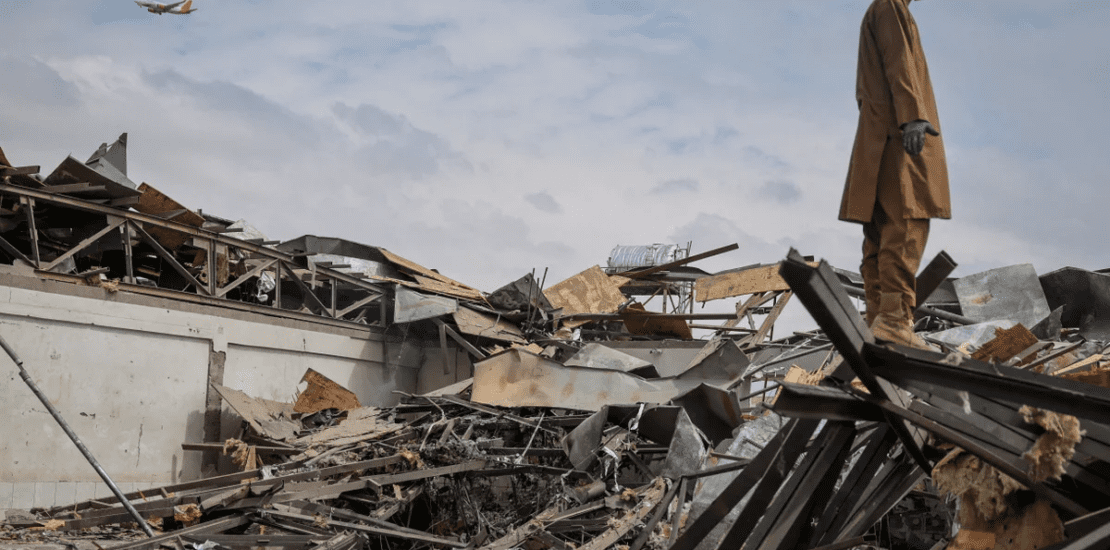
The hardened fighters of the Taliban will resort to standard hit-and-run tactics, striking targets in a slow bleed that could tie down the Pakistani army interminably.
By: AJAY SINGH
The inmates at the drug rehabilitation facility in Kabul were just breaking their Iftar fast, when the Pakistani air attack struck. The Pakistani aircraft were ostensibly trying to hit a Taliban ammunition dump, but, when the smoke and debris cleared around 400 persons were killed and 265 wounded in what was Pakistan’s deadliest attack on civilians in Afghanistan. The only savage grace of the carnage was that it finally forced the two battling neighbours to call off the fighting for the holy day of Eid. But this temporary ceasefire is unlikely to bring an end to the conflict. If anything, it could only intensify thereafter.
https://imasdk.googleapis.com/js/core/bridge3.758.1_en.html#deid=%22%22&eventfe_experiment_ids=%5B%5D&fid=%22goog_1286057004%22&genotype_experiment_data=%7B%22experimentStateProto%22%3A%22%5B%5B%5B45713128%2Cnull%2Cnull%2C%5B%5D%5D%2C%5Bnull%2C745150931%2Cnull%2C%5Bnull%2C1%5D%5D%2C%5Bnull%2C749060184%2Cnull%2C%5Bnull%2C128%5D%5D%2C%5B841585769%2Cnull%2Cnull%2C%5B1%5D%5D%2C%5B45761044%2Cnull%2Cnull%2C%5B%5D%5D%2C%5B45722344%2Cnull%2Cnull%2C%5B%5D%5D%2C%5B45706017%2Cnull%2Cnull%2C%5B1%5D%5D%2C%5B45774999%2Cnull%2Cnull%2C%5B%5D%5D%2C%5B45776042%2Cnull%2Cnull%2C%5B%5D%5D%2C%5B45668885%2Cnull%2Cnull%2C%5B%5D%5D%2C%5B45685340%2Cnull%2Cnull%2C%5B%5D%5D%2C%5B45765927%2Cnull%2Cnull%2C%5B%5D%5D%2C%5B45734716%2Cnull%2Cnull%2C%5B%5D%5D%2C%5B45735891%2Cnull%2Cnull%2C%5B%5D%5D%2C%5B45663239%2Cnull%2Cnull%2C%5B%5D%5D%2C%5B45715032%2Cnull%2Cnull%2C%5B1%5D%5D%2C%5B45661356%2Cnull%2Cnull%2C%5B%5D%5D%2C%5B839547366%2Cnull%2Cnull%2C%5B1%5D%5D%2C%5B45676441%2Cnull%2Cnull%2C%5B%5D%5D%2C%5Bnull%2C45645574%2Cnull%2C%5B%5D%5D%2C%5B45688859%2Cnull%2Cnull%2C%5B%5D%5D%2C%5B45656766%2Cnull%2Cnull%2C%5B%5D%5D%2C%5B45710689%2Cnull%2Cnull%2C%5B%5D%5D%2C%5B45710688%2Cnull%2Cnull%2C%5B1%5D%5D%2C%5B45685601%2Cnull%2Cnull%2C%5B%5D%5D%2C%5Bnull%2C45685602%2Cnull%2C%5Bnull%2C500%5D%5D%2C%5Bnull%2C45767902%2Cnull%2C%5Bnull%2C500%5D%5D%2C%5B45756824%2Cnull%2Cnull%2C%5B%5D%5D%2C%5B45747172%2Cnull%2Cnull%2C%5B%5D%5D%2C%5B775241416%2Cnull%2Cnull%2C%5B%5D%5D%2C%5B781107959%2Cnull%2Cnull%2C%5B%5D%5D%2C%5B781107958%2Cnull%2Cnull%2C%5B%5D%5D%2C%5B792614055%2Cnull%2Cnull%2C%5B%5D%5D%2C%5B781107957%2Cnull%2Cnull%2C%5B%5D%5D%2C%5B45729602%2Cnull%2Cnull%2C%5B%5D%5D%2C%5B45753603%2Cnull%2Cnull%2C%5B%5D%5D%2C%5B45753604%2Cnull%2Cnull%2C%5B%5D%5D%5D%2C%5B%5B16%2C%5B%5B1%2C%5B%5B31089630%5D%2C%5B31089631%2C%5B%5B45668885%2Cnull%2Cnull%2C%5B1%5D%5D%5D%5D%5D%5D%2C%5B10%2C%5B%5B31097690%5D%2C%5B31097691%2C%5B%5B846355750%2Cnull%2Cnull%2C%5B1%5D%5D%5D%5D%5D%5D%2C%5B1000%2C%5B%5B95332046%5D%5D%5D%2C%5Bnull%2C%5B%5B95332047%5D%5D%5D%2C%5B10%2C%5B%5B95338769%2C%5B%5Bnull%2C45645574%2Cnull%2C%5Bnull%2C1%5D%5D%5D%5D%2C%5B95338770%2C%5B%5Bnull%2C45645574%2Cnull%2C%5Bnull%2C2%5D%5D%5D%5D%5D%5D%2C%5B50%2C%5B%5B95345206%5D%2C%5B95345207%2C%5B%5B45661356%2Cnull%2Cnull%2C%5B1%5D%5D%5D%5D%5D%5D%2C%5B1%2C%5B%5B95351425%5D%2C%5B95351426%2C%5B%5B45676441%2Cnull%2Cnull%2C%5B1%5D%5D%5D%5D%5D%5D%2C%5B20%2C%5B%5B95356068%5D%2C%5B95356069%2C%5B%5B45685601%2Cnull%2Cnull%2C%5B%5D%5D%2C%5Bnull%2C45685602%2Cnull%2C%5B%5D%5D%5D%5D%2C%5B95356070%2C%5B%5B45685601%2Cnull%2Cnull%2C%5B1%5D%5D%2C%5Bnull%2C45685602%2Cnull%2C%5B%5D%5D%5D%5D%2C%5B95356071%2C%5B%5B45685601%2Cnull%2Cnull%2C%5B1%5D%5D%2C%5Bnull%2C45685602%2Cnull%2C%5Bnull%2C100%5D%5D%5D%5D%5D%5D%2C%5B1%2C%5B%5B95373378%2C%5B%5B792614055%2Cnull%2Cnull%2C%5B1%5D%5D%5D%5D%2C%5B95373379%2C%5B%5B45747172%2Cnull%2Cnull%2C%5B1%5D%5D%2C%5B781107959%2Cnull%2Cnull%2C%5B1%5D%5D%2C%5B792614055%2Cnull%2Cnull%2C%5B1%5D%5D%2C%5B781107957%2Cnull%2Cnull%2C%5B1%5D%5D%5D%5D%5D%5D%2C%5B10%2C%5B%5B95378629%5D%2C%5B95378630%2C%5B%5B45729602%2Cnull%2Cnull%2C%5B1%5D%5D%5D%5D%2C%5B95381582%2C%5B%5B45729602%2Cnull%2Cnull%2C%5B1%5D%5D%2C%5B45753603%2Cnull%2Cnull%2C%5B1%5D%5D%5D%5D%2C%5B95381583%2C%5B%5B45729602%2Cnull%2Cnull%2C%5B1%5D%5D%2C%5B45753604%2Cnull%2Cnull%2C%5B1%5D%5D%5D%5D%5D%5D%2C%5B10%2C%5B%5B95382403%5D%2C%5B95386528%2C%5B%5Bnull%2C45767902%2Cnull%2C%5B%5D%5D%2C%5B45756824%2Cnull%2Cnull%2C%5B1%5D%5D%5D%5D%2C%5B95386532%2C%5B%5Bnull%2C45767902%2Cnull%2C%5Bnull%2C100%5D%5D%2C%5B45756824%2Cnull%2Cnull%2C%5B1%5D%5D%5D%5D%2C%5B95386533%2C%5B%5Bnull%2C45767902%2Cnull%2C%5Bnull%2C300%5D%5D%2C%5B45756824%2Cnull%2Cnull%2C%5B1%5D%5D%5D%5D%2C%5B95386534%2C%5B%5Bnull%2C45767902%2Cnull%2C%5Bnull%2C500%5D%5D%2C%5B45756824%2Cnull%2Cnull%2C%5B1%5D%5D%5D%5D%5D%5D%2C%5Bnull%2C%5B%5B95385117%5D%2C%5B95385118%2C%5B%5B45761044%2Cnull%2Cnull%2C%5B1%5D%5D%5D%5D%5D%5D%2C%5Bnull%2C%5B%5B95385193%5D%2C%5B95385194%2C%5B%5B45765927%2Cnull%2Cnull%2C%5B1%5D%5D%5D%5D%5D%5D%2C%5B10%2C%5B%5B95387816%5D%2C%5B95387817%2C%5B%5B45774999%2Cnull%2Cnull%2C%5B1%5D%5D%5D%5D%5D%5D%2C%5B10%2C%5B%5B95388078%5D%2C%5B95388079%2C%5B%5B45776042%2Cnull%2Cnull%2C%5B1%5D%5D%5D%5D%5D%5D%5D%5D%5D%2Cnull%2Cnull%2C%5Bnull%2C1000%2C1%2C1000%5D%5D%22%7D&imalib_experiments=%5B95322027%2C95331589%2C95332046%5D&is_eap_loader=false&managed_js_experiment_id=0&page_correlator=600498536042675&pvsid=4393815676731519&top_accessible_page_url=%22https%3A%2F%2Fsundayguardianlive.com%2Fworld%2Fpakistans-newest-war-afghanistan-178160%2F%22
This is not the first time that the two sides have clashed. Fighting had broken out between Afghanistan and Pakistan last October, when Pakistan launched airstrikes deep inside Afghan territory, in retaliation for a spate of attacks by Tehrik-e-Taliban Pakistan (TTP) cadres in Pakistan. Those attacks, targeting the TTP bases and their chief Noor Wali Mehsud, achieved little, but caused civilian casualties on ground. Mehsud emerged unscathed the next day, promising revenge. Afghan retaliation saw cross-border firing with small arms, machine guns and even artillery across the 2,640-kilometre-long Durand Line (which the Taliban do not recognise and call “The Hypothetical Line”). Pakistani army posts and police stations were attacked and captured soldiers paraded. The ten-day conflict finally came to an end with a ceasefire brokered by Turkey and Qatar, but the sporadic fighting continued. And if anything, the wave of attacks by the TTP inside Pakistan only intensified.
Things came to another flashpoint this February when the TTP captured a series of military posts in Pakistan, even displaying captured prisoners on social media. Predictably, the Pakistani establishment refused to acknowledge the captured persons as their own. A spate of attacks deep inside Pakistan, including the targeting of a Shia mosque in Islamabad, brought the conflict to its very doorstep. These actions triggered Pakistani air strikes at Kabul, Kandahar and Paktika on the night of 27 February. But, while earlier strikes had targeted the TTP, these attacks were specifically directed at the Afghan military and Taliban regime—ostensibly to teach them a lesson for supporting and nurturing the TTP—as Pakistan launched its grandiosely named Op Ghazzah-ul-Haq (Op Righteous Fury).
You Might Be Interested In
- Which Country is Known Has Largest Production of Dry Fruits in the World? Here’s the Answer
- Which Country is Known for Largest Production of Almonds in the World? Here’s the Answer
- 8th Pay Commission: Good News for Employees and Pensioners as Commission Begins Work
Predictably, the Taliban responded with the wave of attacks all along the Durand Line capturing 19 Pakistani posts and killing an estimated 85 soldiers. The Pakistani Army too attacked inside Afghanistan, killing over 240 fighters (refuted by Afghanistan, which claims to have only lost 19) and capturing areas in the routes of infiltration to establish a “buffer zone”. The PAF also launched over 50 strikes inside Afghanistan—one of them hitting the famed Bagram airbase near Kabul and even striking the stronghold of Kandahar, where its secretive leader Haibatullah Akhundzada, is reportedly based. The strikes achieved little, and even though the Taliban have no air defence system, they claimed to have downed an F-16 and captured its pilot (later revealed as a drone) even as they launched their own drone attacks inside Pakistani territory.

TravelLite Series – More Security, More Performance, More Success
Boost your productivity with enhanced security and …
It is hard to imagine things having reached such a stage between the two one-time allies. The Taliban entry into Kabul was hailed by Pakistan, who hoped that a pliant, eternally-grateful regime would provide the “strategic depth” they desperately crave. But instead, the Taliban regime proved obdurately independent in its policies, and simply shrugged off Pakistani influence. The victory of the Taliban also emboldened the TTP to intensify their own actions to establish an Islamic Emirates of Pakistan and impose their brand of hard-line Shariat law within the nation. The deporting of over 600,000 Afghan refugees also caused tremendous resentment. The TTP virtually holds sway in the rugged mountains of Waziristan, launching attacks at will, and then slipping back across the Durand Line. With over 560,000 troops, 6,000 armoured fighting vehicles and 4,600 pieces of artillery, along with 465 combat aircraft and around 260 helicopters, Pakistan holds a clear conventional edge. The Afghan Taliban has just around 172,000 fighters, six aircraft and 23 helicopters—Soviet era relics that are not in flying condition. But the mismatch does not matter. The hardened fighters of the Taliban, bolstered by captured stocks of weapons and equipment left behind after the chaotic US withdrawal in 2021, will not be engaged in pitched battles where numbers come to play. Rather, they will resort to standard hit-and-run tactics, striking targets in a slow bleed that could tie down the Pakistani army interminably.
Pakistan perhaps feels that this strong show of retaliation will change the behaviour of the Taliban and make it abjure support for the TTP. But that is unlikely. Although the Taliban never openly acknowledges its links with the TTP, they are conjoined. They cannot even hope to militarily crush the TTP. They can inflict damage—as they did when they launched OP Zarb-e-Azb in 2014, after the heinous Peshawar school attack. But, under pressure, the TTP will simply melt back across the Durand Line and then restart its netions with a vengeance. Nor can they hold on the captured areas inside Afghan territory where they hope to establish a “buffer zone”. That will be militarily and logistically unsustainable. They have to address the roots of the problem, and that lies in its mistaken policies of sponsoring terrorism within its neighbours. These policies have come back to haunt it.
It is not just Waziristan that is on the boil. Freedom fighters in Balochistan too, could use this pre-occupation to enhance their actions, targeting the CPEC and cutting the tenuous lines of communication running through the large desolate province. Both of Pakistan’s Western provinces could then be dangerously near the brink.
To add to this, the Iran war has imposed severe economic costs and fuel shortages which will make it difficult to prosecute operations. As it is, Pakistan has been forced to close schools and government offices to save fuel. The turmoil within Iran (with whom it shares a 900 km border) can spill over to Baluchistan and even provoke a Kurd insurgency. Pakistan is also in a bind whether to support the US—with whom it has just mended fences—or stand by its Islamic brethren. As it is, anti-US riots have claimed dozens within Pakistan. And should Saudi Arabia enter the war, will it be forced to take sides, to honour their “Mutual Defence Pact?” All this could add to the unrest and the Shia-Sunni divide within Pakistan.
Predictably, Pakistan has blamed India—without a shred of evidence—even provided a blanket name for all militants as Fitna al Khawarij and Fitna al Hindustan—Indian sponsored terrorists. But India would not want things to go totally out of control. India’s policies in Afghanistan and its engagement with the Taliban have paid off, especially after the visit of its foreign minister Amir Khan Muttaqi to India, last year. India has agreed to resume developmental work and invest in mining and hydroelectric projects within Afghanistan. We need relative peace to ensure that these projects get underway. An open war between Afghanistan and Pakistan will merely destabilise the neighbourhood and stall our work. But having the Pakistani Army tied up along its western flank has its advantages. It weakens it further and prevents it from causing mischief elsewhere.
* Ajay Singh is an international award-winning author of 5 books and over 250 articles. He is a regular contributor to The Sunday Guardian.