
India’s Military Industrial Complex (TASL’s Barrel Manufacturing Facility as a Strategic Catalyst)
- September 17, 2025
- Posted by: Col Ashwani Sharma (retd)
- Category: India
As India aspires to emerge as a major global power, it must invest purposefully in building a robust military-industrial complex. Such a system, underpinned by modern infrastructure, innovation, and efficient production capabilities, is essential not only to meet domestic requirements but also to enhance India’s stature as a responsible exporter of defence equipment.
The phrase “military industrial complex” often evokes the Cold War-era dynamics between the defence sector and government policy. However, for India, the focus must be on creating a strategic and sustainable ecosystem where defence production is integrated with national security goals. This entails significant improvements in infrastructure, policy frameworks, research and development, and private sector participation.
Infrastructure Investment. One of the foundational requirements for developing a military industrial complex is world-class infrastructure. This includes not just the physical infrastructure of factories, testing facilities, and logistics hubs, but also the softer infrastructure of skilled human resources, regulatory clarity, and digital capabilities. India has taken important steps in this direction, particularly under the ‘Make in India’ and ‘Aatmanirbhar Bharat’ initiatives. However, gaps remain.
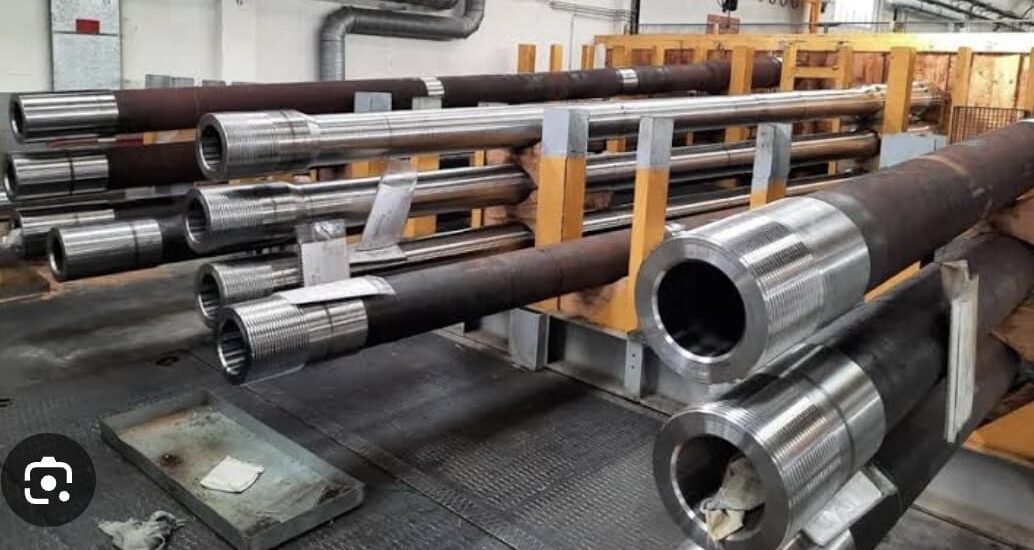
Enhancing Firepower. A Barrel for the Future. A shining example of private sector capability in the artillery segment is Tata Advanced Systems Limited (TASL). In its bid to support the development of indigenous gun systems, TASL has significantly upgraded its manufacturing infrastructure to produce critical subsystems in-house. Ordnance, being one of the most important elements in any gun system is now to be developed at a cutting-edge barrel manufacturing facility at TASL’s Vemagal unit in Karnataka’s Kolar District.
This facility represents a strategic investment in India’s defence future. Equipped with advanced CNC machines for turning, deep-hole drilling, honing, and specialised equipment for rifling and autofrettage processes, it enables the production of world-class gun barrels. Machines from leading European manufacturers such as Thiot and Verinelli have been installed, underlining TASL’s commitment to global quality standards. Notably, the facility embraces Industry 4.0 technologies, including real-time production monitoring systems that ensure operational efficiency and consistency.
The capacity to produce any type of barrel from its raw blank provides India with a critical capability that has long been dependent on foreign suppliers. The plant’s futuristic setup and stringent quality assurance protocols ensure that each barrel meets the exacting standards required by modern artillery systems. In coordination with the Defence Research and Development Organisation (DRDO), this facility is well-positioned to support the mass production of the Advanced Towed Artillery Gun System (ATAGS) and other upcoming artillery platforms. This not only strengthens India’s artillery ecosystem but also reinforces the larger goal of building a self-sustaining military industrial base.
R&D, Innovation, and Strategic Autonomy. For India’s military industrial ambitions to succeed, synergy between research institutions and industry is essential. While the DRDO remains central to defence R&D, its collaboration with industry must become more agile and mission-oriented. TASL’s barrel facility shows what can be achieved when innovation is aligned with national goals. Investments in dual-use technologies, R&D incentives, and structured public-private partnerships can dramatically boost the sector. These would allow India not only to meet its domestic requirements but also to tap into the global defence export market, with systems like ATAGS and Pinaka already attracting international interest.
To sum up – creating a military industrial complex is not an end in itself but a means to achieve greater national resilience, economic growth, and strategic autonomy. India has the talent, ambition, and policy intent to build such a capability. What is needed now is a focused and sustained effort to improve infrastructure, streamline regulatory processes, and foster innovation across all levels of the defence sector.
TASL’s new barrel manufacturing facility is a testament to what can be achieved when vision meets execution. As India builds on such initiatives, it will not only strengthen its own defence preparedness but also contribute meaningfully to global peace and security, in line with its aspirations as a rising power.
Col Ashwani Sharma (retd), Editor