Why is India reaching out to Syria’s new government?
- September 11, 2025
- Posted by: admin
- Categories: India, Syria
India is joining the US and Turkey in recognizing the interim leadership of Syria, as the war-torn country seeks to rebuild after 13 years of civil war.
India reached out to Syria’s provisional government in late July by sending its first official delegation to Damascus in order to understand the interim government’s plans and priorities.
Suresh Kumar, a joint secretary in India’s Ministry of External Affairs, met with senior officials, including Syrian Foreign Minister Asaad al-Shaibani, underscoring India’s interest in sustaining robust relations irrespective of Syria’s internal political transitions.
High-level diplomacy
Among other issues, the meetings focused on enhancing health cooperation, technical and educational collaboration and laying the groundwork for humanitarian assistance and future reconstruction efforts.
In December, Syria’s longtime dictator Bashar Assad was toppled by a coalition of rebel groups, primarily led by Hayat Tahrir al-Sham (HTS) and supported by the Syrian National Army and other Turkish-backed factions.
India’s economy braces for Trump tariffs’ export shock

03:29
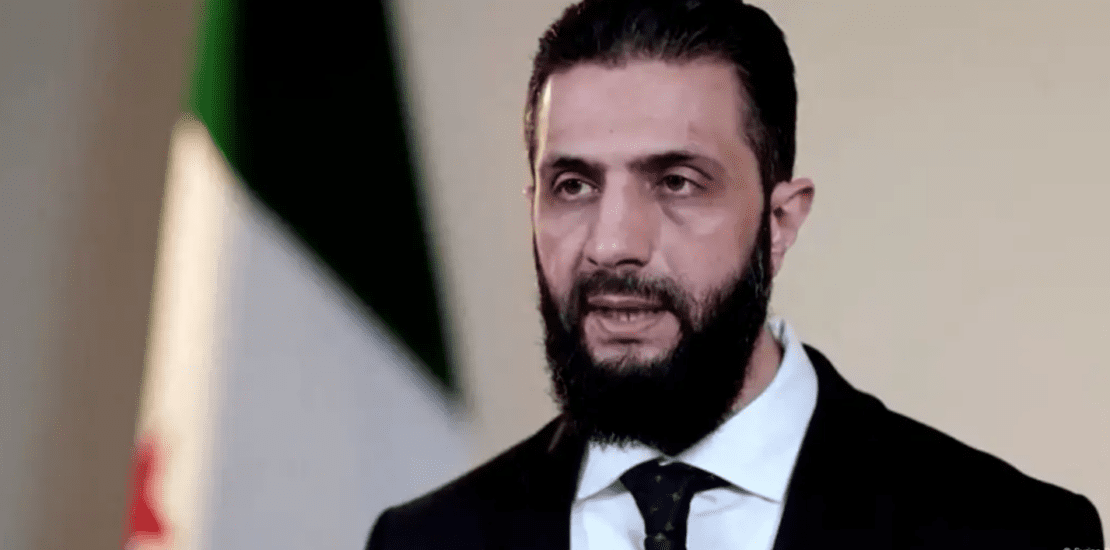
Syria, which is now under the interim leadership of former HTS leader Ahmad al-Sharaa, has secured the support of many regional powers, including Saudi Arabia, Turkey, the United Arab Emirates (UAE) and Qatar — as well as international powers such as the United States.
Balancing risks and opportunities amid transition
Experts and diplomats told DW that India’s outreach to Syria’s interim government helps ensure it is not sidelined in the reconstruction of the war-torn country.
Muddassir Quamar, associate professor at the Centre for West Asian Studies at Delhi’s Jawaharlal Nehru University, said India’s outreach reinforces its image as a nonaligned power willing to engage with diverse regimes to promote stability.
“Notably, India’s regional friends, Saudi Arabia and the UAE, have extended vital support to Syria in this crucial time of transition, and this can help India in its engagements,” said Quamar, adding that this development showcases India’s newfound boldness in its international relations.
“Syria is also emerging as a major pawn in relations between Turkey and Israel, which makes it strategically important for India’s regional interests,” Quamar added.
“India has a stake in the future of Syria for energy, economic and strategic factors and it is indeed important to develop a cautious engagement with the new government.”